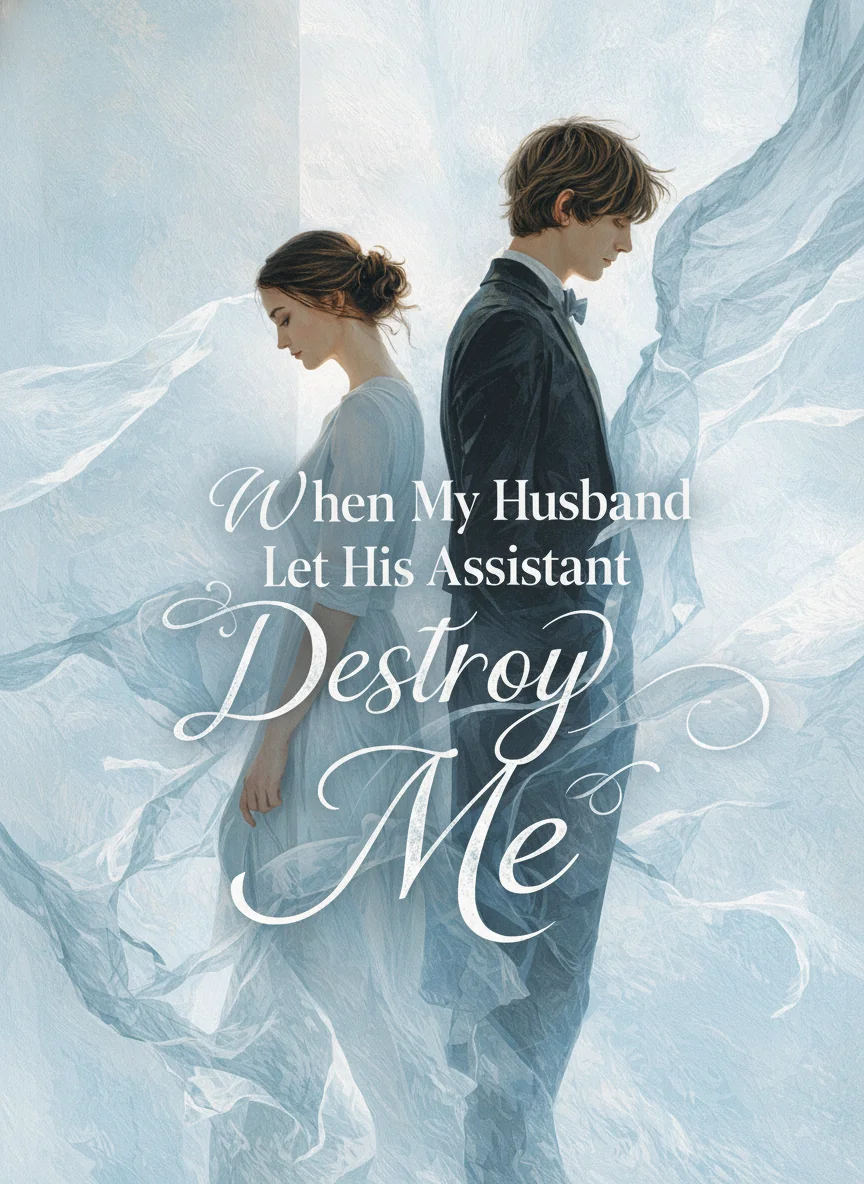
When My Husband Let His Assistant Destroy Me
Chapter 2
Alessandro left without signing the papers. He picked up his briefcase, glanced at the documents scattered across the kitchen table like evidence at a crime scene, and walked out. The door closed with that same soft click. I stood there holding a pen I would not need.
I knew where he went. The lab. Always the lab. I imagined him walking through the Columbia campus, past students who did not know his name, into the building where Kenna was waiting. She would look up when he entered. She would smile that careful smile. She would ask if he was okay in a voice designed to sound like concern.
I was right about all of it except the last part.
Kenna did not ask if he was okay. She told him I was not. A mutual colleague mentioned it to me weeks later, after everything had already collapsed — Kenna had gone to Alessandro that same morning with tears in her eyes and a story about a voicemail I had left her. Threatening. Unhinged. Frightening enough that she was worried about what I might do next. There was no voicemail. I had not called her once in three years. Alessandro never asked to hear it. He simply believed her.
That night he came home after midnight. I was awake, sitting in the dark living room with my phone in my hand, staring at nothing. He moved through the apartment quietly, as if trying not to wake me. When he saw me on the couch, he paused.
"You should be sleeping," he said.
I looked at him. His face was shadowed, unreadable. "You didn't sign the papers."
"I need time to think," he said. Then, after a pause that felt deliberate: "Are you feeling all right, Estella?"
The question landed wrong. Too careful. Too clinical. Like he was assessing me.
"What does that mean?" I asked.
He sat down across from me, not beside me. "Kenna mentioned you've been under a lot of stress. I think maybe we should consider whether you need to talk to someone. Professionally."
I felt something cold settle in my chest. "Kenna mentioned."
"She's concerned about you," he said. "So am I."
I wanted to laugh. I wanted to scream. I did neither. I stood up, walked past him to the bedroom, and locked the door.
The next two weeks were a study in erasure. Alessandro stayed at the lab until past midnight most nights. When he came home, he moved through the apartment like a guest in a hotel — polite, distant, careful not to disturb anything. I stopped asking where he had been. I stopped setting a place for him at dinner. On the fifth night I ate alone, I realized I had stopped expecting him to come home at all.
Kenna called him constantly. I knew because his phone lit up on the kitchen counter while he was in the shower, her name appearing again and again. Lab emergency. Need your advice. Are you still awake? He always answered. He answered her faster than he had ever answered me.
One morning I woke to find him already dressed, his coat on, his hand on the doorknob. It was barely six AM.
"Where are you going?" I asked.
"Kenna had an incident last night," he said without turning around. "She needs support."
An incident. Not an emergency. Not an accident. An incident. The kind of word that implied something fragile, something that required careful handling. I watched him leave and understood, with perfect clarity, that I had already lost.
On Thursday afternoon, I made a decision. I took the divorce papers — still unsigned, still sitting on the kitchen table where he had left them — and drove to Columbia. I parked in the visitor lot and walked across campus with the papers folded in my purse. Students passed me in clusters, laughing, oblivious. The neuroscience building was gray and institutional, all concrete and narrow windows.
The lab was on the third floor. I took the stairs. The door was ajar when I arrived, voices drifting into the hallway. I recognized Alessandro's voice first, low and focused. Then Kenna's, softer, asking a question I could not quite hear.
I pushed the door open.
They were standing at the center table, bent over a laptop, Kenna's hand resting lightly on Alessandro's arm. He was leaning toward her, his head tilted in that way he used to tilt toward me when I said something that surprised him. They looked up when I entered. Kenna's expression shifted immediately — concern, surprise, something that looked almost like pity.
Alessandro straightened. "Estella. What are you doing here?"
I looked at his face. Then at Kenna's hand, still on his arm. Then at the space between them, which was not romantic but was something worse — easy. Familiar. Built over years I had not been paying attention.
I did not say anything. I walked back into the hallway, set the divorce papers on the reception desk outside the lab, and pressed the elevator button. The doors opened immediately. I stepped inside and watched the lab door grow smaller as I descended.
Neither of them followed me. Neither of them said my name.
You may also like