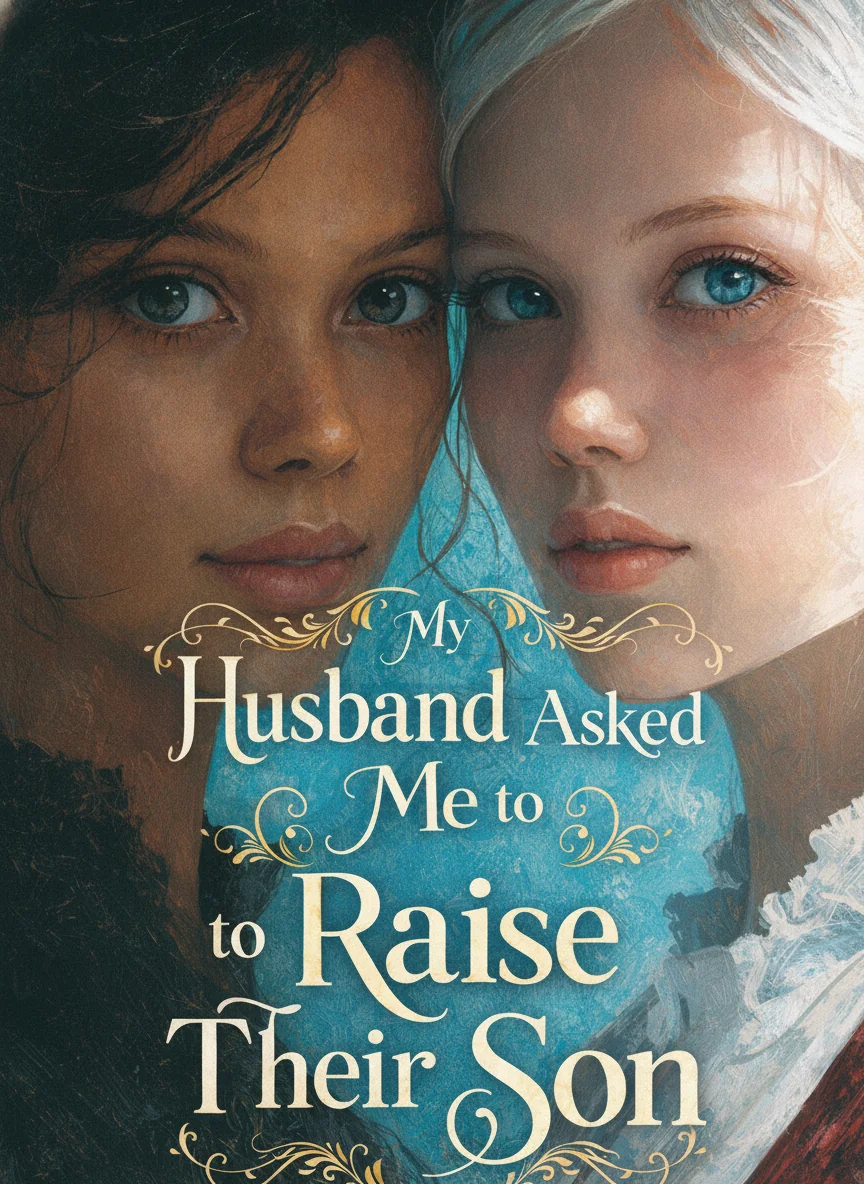
My Husband Asked Me to Raise Their Son
Chapter 5
In year eleven, the headmaster of Rylan's Connecticut boarding school called me into his office with the kind of face men make when they've already decided how a conversation will end.
"Mrs. Palmer," he said. "This is the second incident."
I already knew the shape of it before he said it out loud. A dorm room, a fire extinguisher, a junior with a concussion, and Rylan somewhere in the middle of it laughing on someone's phone video. Seventeen years old. Six-foot-one. Still laughing like a boy who'd never once wondered what came after the joke.
"He's a good kid," I said. "He just needs the right environment."
The headmaster folded his hands on the desk. "We've provided several environments, Mrs. Palmer."
"I understand." I opened my bag and took out the checkbook I already knew I'd need. "The library's still raising funds for the west wing renovation, isn't it?"
He didn't answer right away. That was the thing about men like him — they liked to pretend the silence meant something before they took the money. Four hundred thousand dollars later, the expulsion became a "voluntary transfer," and Rylan came home for two weeks calling it a vacation.
The DUI came in October, a call from Louie at eleven at night, calm as a weather report. "He hit a mailbox on Further Lane. Blew a point one four. I'm handling the paperwork before it reaches a docket."
"Handle it," I said.
"You don't want to talk to him first?"
I looked down the hall. His door was shut, music leaking out from under it, some song with a bass line that made the floor hum. "No," I said. "Not tonight."
The valet came in December. A boy, nineteen, jaw wired shut for six weeks, because Rylan didn't like how long he'd taken bringing the car around. I met the family's lawyer myself, at a diner off the highway so nobody would recognize the Montgomery name walking into it. I signed the NDA. I wired the money before the ink dried on my own signature.
Every single time, I drove home, sat at the kitchen table, and opened the notebook. Four hundred thousand. Legal fees, undisclosed. Settlement, undisclosed. I wrote the numbers in my shorthand, dated them, and closed the cover like I was tucking a child in.
At dinner that week, Trace asked how school was going.
"Better," I said. "He just needed the right environment."
Trace nodded like that settled something, buttering his bread, and I thought — not for the first time — that he had never once asked what the environment cost, or who was paying for it, because some part of him had decided a long time ago that everything simply worked itself out. That was his gift. Never once knowing the price of anything.
The article about Stella ran on a Tuesday in March. I found it the way I found most things now, through a Google alert with her name on it, sitting at the kitchen table in the Hamptons with my coffee going cold.
*Diaz Vertical Names 24-Year-Old CEO — Entirely Self-Made, Utterly Untouchable.*
There was a photograph of her in a gray suit, arms crossed, standing in front of a warehouse floor I remembered walking myself, years ago, in flat shoes, asking questions nobody thought a woman in a good coat should be asking. The article talked about her scholarship to Exeter. Her scrappy rise through logistics. Her instincts. It didn't mention a mother. It didn't mention a name that led anywhere near mine.
I read it twice. Then I got the scissors from the drawer, cut the article out clean along its edges, and opened the notebook to the page after the valet's settlement. I laid it flat against the paper, dated it in the corner, and closed the cover over both of them — my son's ruin and my daughter's rise, pressed together in the same leather spine.
I didn't call her. I wanted to. My hand actually found the phone twice that afternoon and put it back down twice, because I knew what would happen if I did — she'd hear it in my voice, whatever *it* was, and I didn't trust myself yet to keep it out.
She called at eleven that night. I was still awake, sitting in the dark of the sunroom with the notebook closed on the table beside me.
"Did you see it?" she asked. Her voice had none of the boardroom in it. It sounded, for just a second, like the girl on the stoop in the Bronx who'd told me fosters smile more.
"I saw it," I said.
A pause on the line, long enough that I could hear her breathing, waiting for something.
"It's exactly right," I said.
She let out a breath I don't think she knew she'd been holding. "They didn't mention you."
"They're not supposed to," I said. "That's the whole point, sweetheart. Nobody's supposed to know where you came from until I decide they do."
Another silence, softer this time. "Okay," she said, like she believed me. Like she'd needed to hear it more than she'd let on.
After we hung up, I sat with the phone warm in my hand a long time. Down the hall, Rylan's light was still on, some show playing low through the door, and I thought about the four hundred thousand dollars and the boy with the wired jaw and the library wing with no name on the wall that would remember what it actually cost.
I opened the notebook one more time before bed. I didn't write anything new. I just looked at the two lines, side by side, until the ink blurred a little in the lamp light, and then I turned it off and went upstairs to sleep in the house both my children had paid for, in their own ways, without ever knowing it.
You may also like